
A practical UK guide to comparing ecommerce payment gateways, merchant accounts, platform compatibility, pricing, settlement, fraud controls and higher-risk options.

With the rise of online shopping and digital payments, more and more businesses are turning to card processing services to handle their transactions. One of the biggest decisions they have to make is choosing between flat-rate and tiered pricing plans. But what exactly are the differences between these two pricing models? And which one is the best option for your business? Let’s take a closer look.
Flat-rate pricing is exactly what it sounds like – a flat fee charged for each transaction, regardless of the type of card used or the amount of the purchase. This simplicity can be appealing to small businesses with a limited number of transactions, as it makes it easy to predict costs and budget accordingly. However, flat-rate pricing may not always be the most cost-effective option, especially for businesses with high-volume, high-ticket transactions.
On the other hand, tiered pricing divides transactions into different categories or “tiers,” with each tier being charged a different rate based on factors such as card type, transaction volume, and sales volume. While tiered pricing can be more complex and harder to predict than flat-rate pricing, it can also offer more flexibility and potentially lower costs for businesses processing a large number of transactions or high-ticket items.
Ultimately, the best pricing model for your business will depend on a variety of factors, including your transaction volume, average ticket size, and the types of cards your customers use. It’s important to carefully analyze your business’s needs and compare the pros and cons of each pricing model before making a decision.
In conclusion, whether you choose flat-rate or tiered pricing for your card processing needs, the most important thing is to find a plan that aligns with your business goals and helps you maximize your profits. By taking the time to understand the differences between these pricing models and how they can impact your bottom line, you’ll be able to make an informed decision that sets your business up for success in the world of digital payments.

In today’s digital age, convenience is king. We can order groceries, pay bills, and even buy a new wardrobe all with a few clicks on our devices. But with this convenience comes a growing threat – card-not-present (CNP) fraud.
CNP fraud occurs when a fraudulent transaction is conducted online or over the phone, where the physical card is not present. This type of fraud is on the rise, with criminals becoming more sophisticated in their techniques to steal sensitive information and exploit vulnerabilities in payment systems.
So, what can we do to address this growing threat? One solution is to be vigilant and proactive in safeguarding our personal information. This includes being cautious about sharing our card details online, using secure payment gateways, and regularly monitoring our accounts for any suspicious activity.
Another important step is for businesses to strengthen their payment security measures. Implementing technologies such as tokenization and biometric authentication can help protect customers’ data and prevent unauthorized transactions. It’s also essential for companies to stay up-to-date with the latest security standards and compliance regulations to ensure a secure payment environment.
Collaboration and communication are key in the fight against CNP fraud. By working together, consumers, businesses, and financial institutions can share information and best practices to prevent fraud and protect sensitive information. It’s important to stay informed and stay one step ahead of the criminals who seek to exploit our digital world.
In conclusion, addressing the growing threat of CNP fraud requires a multi-faceted approach. By being vigilant, implementing strong security measures, and fostering collaboration, we can mitigate the risks and safeguard our financial transactions in the digital era. Stay safe, stay secure, and stay informed.
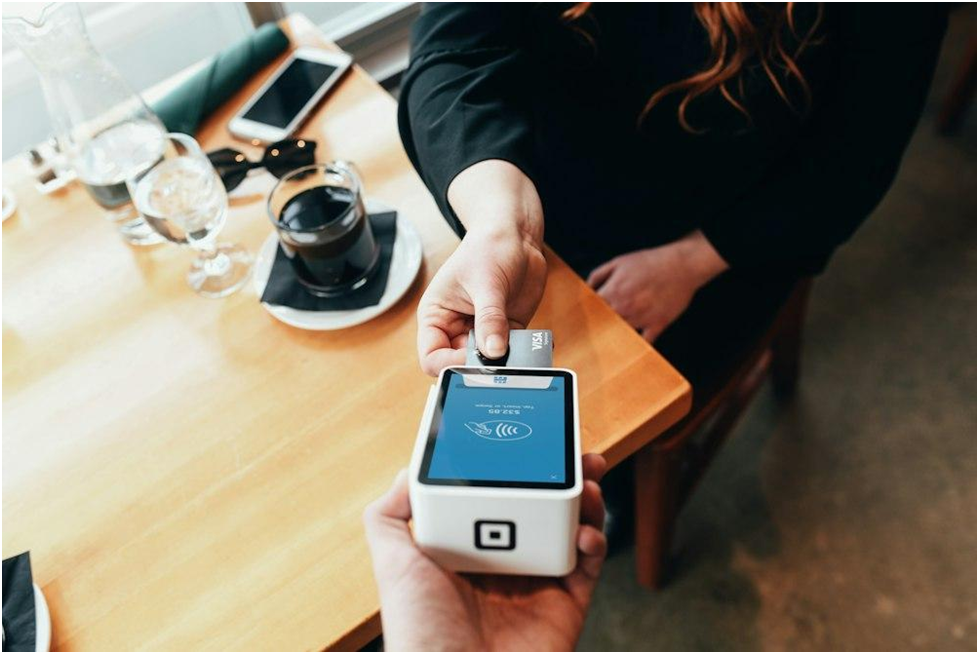
Payment processing is a critical aspect for every mobile merchant in the UK. Today’s fast and digitally empowered business world relies on efficient payment systems for seamless transactions. While business owners may have particular preferences when choosing payment systems, they consider customer-centric solutions to boost their market credibility and demand. As a new business owner, […]
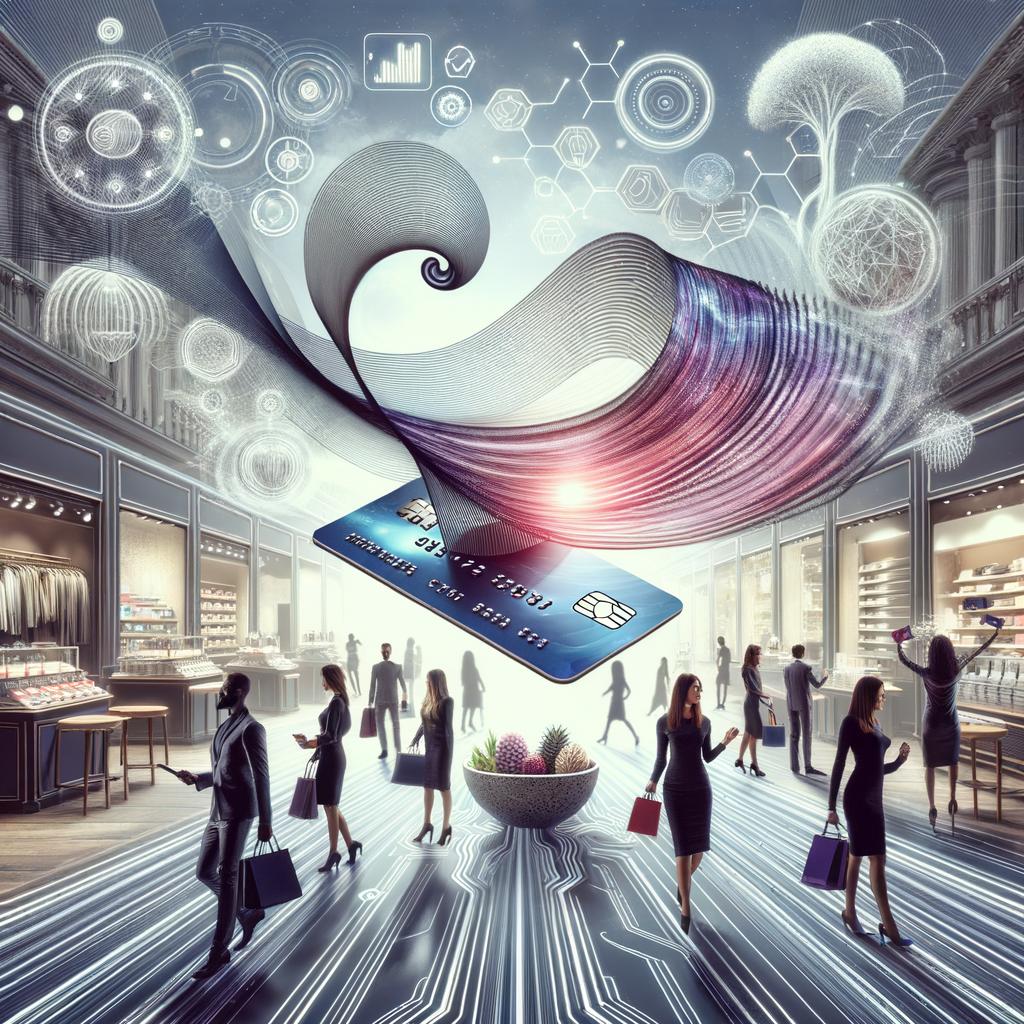
Stepping into a retail store is like entering a world of possibilities. From the latest gadgets to trendy clothes, there’s something for everyone. But what really sets a great shopping experience apart is seamless card processing. Picture this: you’ve found the perfect item, ready to make a purchase, and then… the dreaded moment when your card gets declined or the transaction takes forever to process. It’s enough to ruin the entire shopping experience!
Thankfully, retailers are starting to realize the importance of enhancing customer experience through seamless card processing. By investing in cutting-edge technology and efficient payment systems, they are ensuring that every transaction is smooth and hassle-free. Whether you’re tapping your card on a contactless terminal or swiping it through a card reader, the process is quick and seamless.
But it’s not just about speed – it’s also about security. With advanced encryption and fraud detection mechanisms in place, customers can trust that their personal and financial information is secure during every transaction. This sense of trust is crucial in building long-lasting relationships with customers and encouraging repeat business.
Moreover, seamless card processing also opens up opportunities for personalized customer experiences. By tracking purchase history and preferences, retailers can offer tailored recommendations and promotions to customers, making them feel valued and appreciated. Imagine receiving a special discount on your favorite brand of sneakers or being alerted to new arrivals based on your past purchases – it’s like having a personal shopper right at your fingertips!
In today’s fast-paced world, convenience is key. People want to shop quickly and efficiently without any unnecessary hurdles. By enhancing customer experience in retail with seamless card processing, retailers are not only meeting these expectations but exceeding them. So the next time you step into a store, rest assured that your shopping experience will be nothing short of seamless.

You’ve heard the whispers around the office – the dreaded PCI DSS audit is coming. But fear not, my friends! With a little preparation and a whole lot of coffee, you can conquer this beast and come out on the other side unscathed.
Step 1: Get your ducks in a row. Stock up on pens, paper, and Post-It notes – you’re going to need them. Start by gathering all relevant documents, such as your security policies, network diagrams, and system configurations. Don’t forget to grab some snacks for the long nights ahead.
Step 2: Assess your current situation. Take a long, hard look at your security practices and identify any areas that may need improvement. Are your firewalls up to snuff? Is your encryption game on point? Now is the time to tighten up those loose ends.
Step 3: Get your team on board. You can’t do this alone, so gather your troops and assign tasks accordingly. Make sure everyone knows their roles and responsibilities – after all, teamwork makes the dream work!
Step 4: Conduct a pre-audit check. Run through a mock audit to spot any potential red flags and address them before the real deal. Think of it as a dress rehearsal for the big show.
Step 5: Keep calm and carry on. Remember, it’s just an audit – not the end of the world. Stay cool, calm, and collected throughout the process, and don’t be afraid to ask for help if you need it.
And there you have it – a step-by-step guide to preparing for a PCI DSS audit. With a little elbow grease and a whole lot of determination, you’ll be well on your way to passing with flying colors. Good luck, my fellow auditees – you’ve got this!
We live in a digitally equipped business world where almost every business operates online. The rising trend of e-commerce shops has enabled consumers to shop with ease. While online shops have helped business owners cut costs associated with physically located stores, they have raised online payment problems. Establishing an online payment solution that allows seamless […]
When it comes to running a business, the key to success lies in customization. From tailored marketing strategies to personalized customer experiences, the more you can tailor your business to your unique needs, the better. This is where customizable POS systems come in.
Gone are the days of one-size-fits-all POS systems that don’t quite meet all of your business requirements. With customizable POS systems, you have the flexibility to choose the features and functions that work best for you. Whether you’re a small boutique shop or a large chain of restaurants, a customizable POS system can be the perfect solution to streamline your operations and enhance the customer experience.
Imagine being able to create a POS system that not only processes payments but also tracks inventory levels, analyzes sales data, and generates custom reports. With a customizable POS system, the possibilities are endless. You can mix and match features to create a system that is perfectly tailored to your business needs.
One of the key benefits of customizable POS systems is the ability to scale as your business grows. Instead of having to invest in a new system every time you expand, you can simply add new features or upgrade existing ones to accommodate your business growth. This means you can focus on building your business, rather than worrying about whether your POS system can keep up.
Another advantage of customizable POS systems is the ability to integrate with other software and hardware. Whether you need to connect to your accounting software, set up a loyalty program, or sync with your online store, a customizable POS system can be tailored to integrate seamlessly with the tools you already use.
In today’s fast-paced business world, having a POS system that can adapt to your needs is essential. A customizable POS system gives you the flexibility and control to create a system that works for you, rather than the other way around. So why settle for a one-size-fits-all solution when you can have a POS system that is uniquely yours?

In the competitive world of business, keeping customers happy and coming back for more is key to success. And one often overlooked way to do this? Payment flexibility.
Picture this: you stroll into your favorite café, craving that irresistible cup of java. But, oh no – you left your wallet at home! No worries, because this café offers you the option to pay using your phone or even set up a tab. How convenient is that? You get your coffee fix without any hassle, and this café just earned themselves a loyal customer.
In today’s fast-paced society, customers value convenience above all else. And when it comes to making payments, flexibility is the name of the game. Whether it’s the option to pay with different methods, set up installment plans, or even just pay later, giving your customers the freedom to choose how they pay can make all the difference.
Think about it – when a customer knows they have the flexibility to pay on their terms, they are more likely to make a purchase in the first place. And once they’ve experienced this convenience, they are more likely to come back for more. It’s a win-win situation for both the customer and the business.
Not only does payment flexibility make customers happy, but it also helps build trust and loyalty. By showing your customers that you understand their needs and are willing to work with them, you are building a strong relationship that goes beyond just a single transaction.
So, if you want to keep your customers coming back for more, consider the link between payment flexibility and customer retention. Give your customers the freedom to choose how they pay, and watch as your business grows and thrives. After all, happy customers equal a successful business.

Have you ever hesitated to make an online purchase because you were worried about the security of your payment information? Well, worry no more! Enter 3D Secure Technology – the superhero of online payment security.
Imagine this – you’re browsing through your favorite online store, adding items to your cart left and right. As you proceed to checkout, a feeling of unease creeps in. Will your credit card information be safe? Will hackers be able to steal your sensitive details? But fear not, for 3D Secure Technology is here to save the day!
So, what exactly is 3D Secure Technology? In simple terms, it’s an extra layer of security added to online transactions to ensure that the person making the payment is actually you. How does it work, you ask? Well, when you make a purchase online, you may be prompted to enter a password or security code that only you would know. This additional step helps to authenticate your identity and protect your payment information from fraudulent activities.
But wait, there’s more! 3D Secure Technology doesn’t just rely on a single password to keep your data safe. It uses a multi-layered approach to security, combining factors like biometric authentication, two-factor authentication, and behavioral analytics to create a fortress around your payment details. This means that even if a cybercriminal manages to crack one layer of security, there are other measures in place to stop them in their tracks.
In a world where cyber threats are constantly evolving, 3D Secure Technology provides a much-needed shield against unauthorized access and fraudulent transactions. And the best part? It’s not just good for consumers – merchants also benefit from the added protection, as it helps to reduce the risk of chargebacks and payment disputes.
So next time you’re shopping online, rest assured that 3D Secure Technology has your back. With its multi-layered security approach, you can make payments with peace of mind, knowing that your sensitive information is safe and secure. Say goodbye to online payment worries and hello to a safer shopping experience!