
Mit dem „Schutz für gestohlene Geräte“ als Teil von iOS 17.3 muss der Zugriff auf sensible Bereiche wie etwa die Passwortsammlung stets biometrisch mit 3D-Gesichtsscan per Face-ID oder Fingerabdruck …
Mit dem „Schutz für gestohlene Geräte“ als Teil von iOS 17.3 muss der Zugriff auf sensible Bereiche wie etwa die Passwortsammlung stets biometrisch mit 3D-Gesichtsscan per Face-ID oder Fingerabdruck …

Taxes are like your overprotective mother-in-law, constantly looming over every financial decision you make. And just when you think you have mastered the art of domestic tax compliance, bam! International card transactions come along, turning your financial world upside down.
Picture this: you’re strolling through the vibrant streets of a charming European city, basking in the glory of a well-deserved vacation. Suddenly, you spot your dream leather jacket that oozes style and screams “buy me.” Your heart skips a beat, and before you know it, you whip out your shiny plastic friend – your international credit card.
But hold on tight there, globetrotter! Did you ever stop for a second and ponder the tax implications of that seemingly innocent purchase? Probably not. Don’t worry, though; you’re not alone. Navigating the labyrinth of tax rules in international card transactions is enough to give even the most seasoned travelers a headache.
Let’s start with the basics. When you make a purchase using your international card, you’re essentially engaging in a cross-border transaction. And as if life couldn’t get more complicated, tax authorities love to micromanage these transactions. They want to know if they get a share of the pie, or in simpler terms, they want a slice of your hard-earned money.
So how do you keep the taxman away while enjoying your shopping spree? The key lies in understanding the concept of VAT (value-added tax) and its varying rates across different countries. VAT adds a tax percentage to the final sales price of most goods and services. Ah, those sneaky Europeans and their VAT schemes! Some countries may even give you the opportunity to claim a refund on VAT when you leave. Now, that’s a hidden treasure worth acquainting yourself with!
But here’s the catch: not all countries have the same VAT threshold. In some places, like the UK, you need to spend a certain minimum amount in a single transaction to qualify for a VAT refund. So, if you indulge in a little too much shopping, Uncle Sam might be watching, and trust us, he won’t be picking up the tab.
Furthermore, don’t forget about the horrifying creature known as foreign exchange rate fluctuations. Whenever you use your international card, you’re exposed to this monstrous beast. Let’s say you made a purchase in a foreign currency when the exchange rate was favorable. You’re beaming with joy, right? Well, hold your breath, because by the time the transaction hits your card statement, the exchange rate might have taken a nosedive. Suddenly, your dream jacket doesn’t seem like such a great buy anymore, financially speaking.
To make matters even more exciting, different countries have various tax treaties in place. These treaties aim to avoid double taxation and ensure a harmonious financial universe. They can play a crucial role in determining how much tax you owe in one country versus the other. It’s like witnessing the grand battle of nations, with tax authorities fighting it out behind the scenes.
But fear not! You don’t need to become a tax expert overnight. A good strategy is to arm yourself with knowledge and seek guidance from professionals, such as tax advisors or accountants with international expertise. They possess the power to decipher the complex world of international tax and guide you towards the path of financial sanity.
Remember, fellow explorers: international card transactions may come with their fair share of tax implications, but armed with knowledge and a dash of caution, you can navigate these treacherous waters. Now go out there and enjoy your shopping adventure, and don’t forget to keep your receipts – those might just become your tax-saving lifeline!
Are you tired of carrying around a bulky wallet filled with cash or constantly worrying about going over your credit card limit? Well, fear not my friends, because prepaid debit cards are here to save the day! These little plastic rectangles have become quite the trend lately, and it’s not hard to see why.
With a prepaid debit card, you can have all the benefits of a credit card without the stress of accruing debt. It works just like a regular debit card, except you load it with cash beforehand, kind of like a piggy bank for grown-ups! You can use it anywhere that accepts regular debit or credit cards, whether it’s to pay for your morning cup of joe or to splurge on a shopping spree.
One of the biggest perks of prepaid debit cards is the ability to track your spending. Let’s face it, we all have those moments where we swipe our card without even thinking about how much we’re spending. With a prepaid debit card, you’ve got a built-in limit. Once the amount you loaded onto the card is used up, you’re done spending for the month. It’s like having a financial coach gently whispering in your ear, “Easy there, big spender! Time to rein it in.”
But like everything in life, prepaid debit cards have their limitations. First off, some merchants might not accept them. It’s always a good idea to check if a particular store or restaurant will take your card before frantically waving it around at the cashier like a magician performing a disappearing act. Nobody wants to be the person holding up the line because their prepaid card wasn’t welcome.
Another drawback is the potential for fees. While prepaid debit cards are great for keeping your spending in check, they often charge a variety of fees for various services. Fees for activating the card, reloading it with cash, or even checking your balance can add up quickly. It’s like having a little gremlin sneaking into your wallet every time you use your card. So, before jumping on the prepaid debit card bandwagon, make sure to read the fine print and be aware of any lurking gremlins ready to gobble up your hard-earned cash.
Lastly, prepaid debit cards might not offer the same protection as credit cards when it comes to fraud or theft. If your card is lost or stolen, you might not have the same level of liability protection as you would with a credit card. So, it’s always a good idea to keep an eye on your card and report any suspicious activities right away.
In conclusion, prepaid debit cards can be a convenient and helpful tool for managing your spending and avoiding debt. They offer a sense of control and come in handy when you’re trying to stick to a budget. Just remember to be mindful of their limitations, such as potential merchant restrictions, sneaky fees, and a possible lack of liability protection. So go ahead, embrace the prepaid debit card life, but don’t forget to keep an eye out for those pesky gremlins hiding in the shadows!

The Future of Payment Processing: Trends to Watch
Picture this: you’re strolling down a busy street, trying to decide where to grab a well-deserved lunch. The aroma of exotic spices from a food truck catches your attention, and you head over to see what’s on offer. You choose a mouthwatering dish, grab your phone, and simply tap it against the vendor’s payment device to complete your purchase. No cash, no cards, just a seamless transaction. This scenario may soon become the new norm as payment processing leaps into the future with some exciting trends to watch out for.
1. Contactless Payments: Wave goodbye to chip and PIN. These days, more and more people are using contactless payment methods, and it’s only set to explode. With the rise of digital wallets such as Apple Pay and Google Wallet, making payments has become as easy as one tap on your smartphone. Not only does this save time and hassle, but it also offers enhanced security by replacing sensitive card data with encrypted tokens.
2. Biometric Authentication: Say farewell to PINs and passwords. Biometric authentication methods are the hottest trend in payment processing, allowing individuals to verify their identity using unique physical or behavioral characteristics. From fingerprint and facial recognition to iris scanning and voice authentication, biometrics offer a convenient and secure way to authorize transactions. Hesitant about leaving your identity in the hands of machines? Don’t be—they’re getting smarter every day.
3. Internet of Things (IoT): Payment processing is set to seamlessly integrate with IoT devices, transforming everyday objects into payment terminals. Imagine your fridge ordering groceries and paying for them automatically, or your car settling the fuel bill with just a tap. As connected devices become more prevalent, expect to see a surge in “smart payments” where transactions occur in the background without any human interaction. Your toaster may not seem that exciting, but it could soon be capable of making financial decisions!
4. Cryptocurrencies and Blockchain: If you haven’t heard about Bitcoin or Ethereum, it’s time to catch up. Cryptocurrencies have revolutionized the way we perceive and use money. Powered by blockchain technology, digital currencies offer fast, secure, and decentralized transactions, eliminating the need for intermediaries. As Bitcoin gains mainstream acceptance, it’s only a matter of time before we see widespread adoption of cryptocurrencies in payment processing.
5. Subscription-based Models: The convenience of subscription-based services is hard to beat. From streaming platforms to meal kit deliveries, subscriptions are booming. In the future, expect payments to align with consumption habits. Rather than paying for individual items or experiences, you may choose an all-inclusive monthly fee that covers everything you need. While this trend may raise concerns about budget control, it also offers the freedom to access various products and services without owning them.
The future of payment processing is full of excitement and innovation. From contactless payments and biometric authentication to IoT integration, cryptocurrencies, and subscription-based models, our payment landscape is undergoing a radical transformation. So, the next time you breeze through a transaction with just a single touch, remember that the possibilities are endless, and the future is here.
Im Wirecard-Prozess hat der erste aus Südostasien angereiste Zeuge den zentralen Anklagevorwurf der Scheingeschäfte gestützt. Laut Aussage des aus Malaysia geladenen Managers Yoshio Tomiie war der sei …
Instant payments became a reality in the U.S. in 2017 when The Clearing House launched the RTP network, the first new payment …
which will allow DonorDrive clients to accept DAF payments online through their existing DonorDrive donation forms. The new …
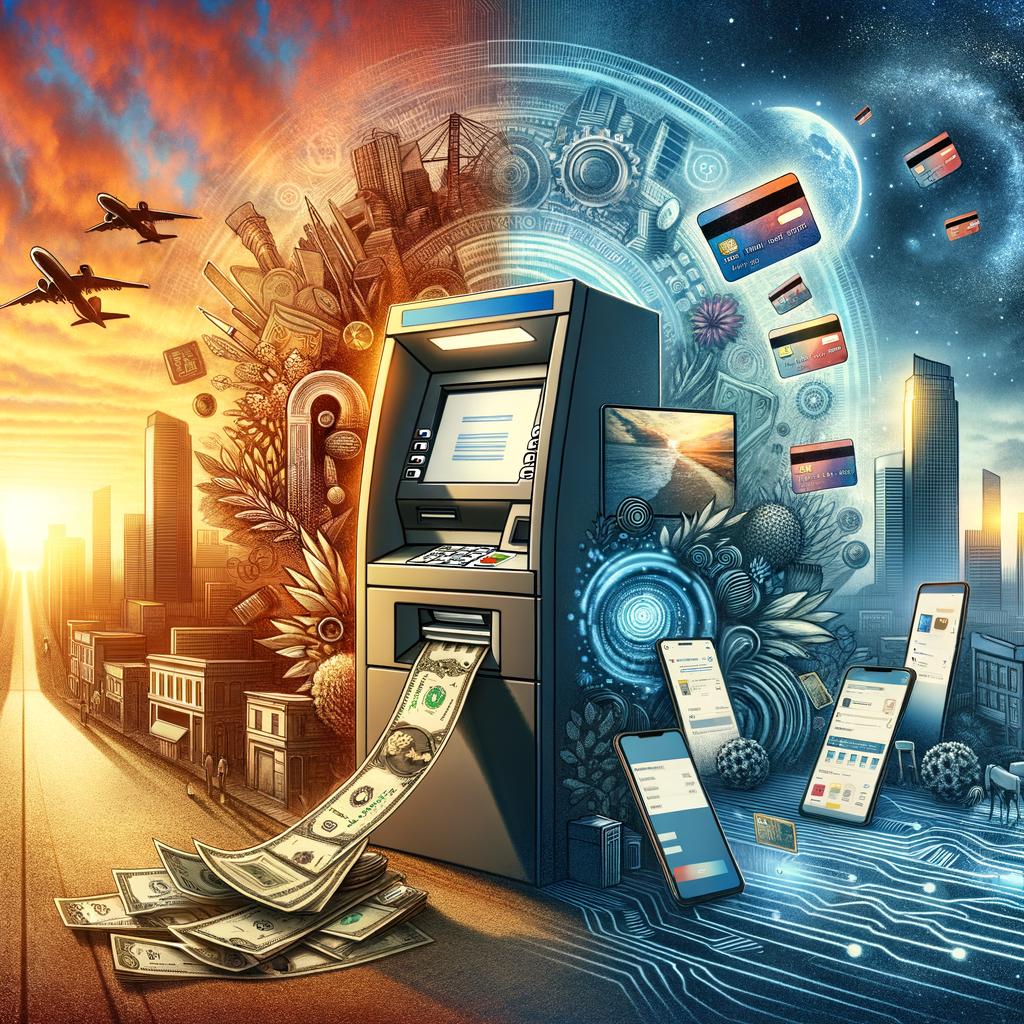
Have you ever stopped and considered how our financial transactions have evolved over the years? From the clunky ATMs of the past to the seamless online shopping experiences of today, the world of debit card transactions has come a long way. In this article, we’ll take a journey through time to explore the fascinating evolution of debit card transactions.
Back in the day, obtaining cash often necessitated a trip to the local bank or an ATM machine. Remember those colossal structures lurking on street corners, dispensing cash with a loud clunk? These metal beasts revolutionized the way we accessed our funds. No longer did we have to wait in long lines at the bank, fill out checks or carry bundles of cash. Instead, we simply inserted our card, entered a PIN, and out came crisp banknotes.
As the years rolled by, technology did not rest on its laurels. Soon, debit cards began to bear a magnetic stripe on the back, akin to credit cards. This tiny stripe held a wealth of information, allowing the card to be swiped, and the transaction completed with a mere signature. This simple innovation made card payments even more convenient, eliminating the need to remember a PIN for every transaction.
But who could have predicted the immense impact the internet would have on debit card transactions? Enter online shopping – the game-changer that brought with it a wave of convenience. Suddenly, we had access to a global marketplace at our fingertips, where we could purchase everything from clothes and gadgets to exotic spices and rare books, without ever leaving the comfort of our homes.
However, this new frontier came with its own set of challenges. As our debit cards began venturing into the virtual realm, concerns over security and fraud skyrocketed. In response, industry experts introduced innovative measures to ensure the safety of consumers’ financial information. The introduction of the CVV (Card Verification Value) code, for example, required users to provide the three-digit code on the back of their card during online transactions. Additionally, some banks began to provide virtual card numbers that expired after a single use, minimizing the risk of fraudulent activity.
Of course, as technology continued to evolve, so did our debit cards. With the rise of smartphones, many banks developed mobile apps that allowed users to manage their debit card transactions on the go. Nowadays, you can transfer funds, track expenses, and even lock your card if it goes missing, all from the comfort of your phone.
In recent years, contactless payment methods have also found their place in the world of debit card transactions. The advent of Near Field Communication (NFC) technology has enabled users to make payments by simply tapping their card on a payment terminal, without the need to enter a PIN or provide a signature. This seamless “tap and go” experience has further elevated the convenience associated with debit card transactions.
As we reflect on the captivating evolution of debit card transactions, it becomes clear just how far we’ve come. From the days when ATMs were considered futuristic marvels to the present, where we can buy products from halfway across the world with a simple tap, the journey has been nothing short of extraordinary. Who knows what the future holds for the world of debit card transactions? One thing’s for certain, though – it’s bound to be exciting!
PUMA und Tencent Forge werden Partner für ein innovatives, umfassendes E-Commerce-Geschäftsmodell SHENZHEN, China (ots) – Die global bekannte Sportmarke PUMA hat offiziell ein Abkommen über eine strat …