

Welcome to the future of security, where your physical characteristics unlock endless possibilities! Biometric verification in card processing has revolutionized the way we approach security, bringing us one step closer to a world where our very essence becomes the key to unlocking the virtual realm. Say goodbye to pesky passwords and secret PIN codes; in this brave new world, your eyes, your fingerprints, or even your heartbeat will grant you access to the treasures that lie within.
Picture this: a bustling city street, filled with people from all walks of life. The air hums with excitement as transactions take place at lightning speed. Amidst this whirlwind of activity, a young woman steps up to the counter, ready to make a purchase. As she places her card onto the terminal, a sleek camera captures the intricate patterns of her irises, unique to her and her alone. In a matter of milliseconds, her identity is confirmed, and the transaction is authorized. It’s as simple as that!
Gone are the days of worrying about stolen or forgotten cards. Biometric verification merges the physical world with the virtual, ensuring that only you hold the key to your financial castle. Just imagine the relief of knowing that your hard-earned money is safe from prying eyes, protected by the very essence of your being.
But how does this technology work? Let’s take a closer look. Using complex algorithms, a biometric system records and analyzes your unique features, whether it be your fingerprints, facial structure, or vocal patterns. These distinctive traits are transformed into encrypted digital codes, replacing the need for traditional passwords or PINs. It’s like having a one-of-a-kind tattoo that resides only on your skin, impervious to replication.
Not only does biometric verification provide an unprecedented level of security, but it also streamlines the purchasing process. No longer will you find yourself fumbling for your wallet, struggling to remember the correct sequence of numbers. With a simple touch of a finger or a glance into a camera, you will seamlessly glide through the transaction process, leaving the days of frantically searching for cash behind.
And the benefits don’t stop there! This technology caters to individuals with disabilities or impairments, ensuring an inclusive experience. Imagine the joy on someone’s face when they realize they no longer have to navigate complicated pin pads or handle physical cards. By embracing biometric verification, we create a world where everyone can partake in secure financial transactions effortlessly.
Of course, as with any innovative technology, concerns arise. Privacy, security breaches, and the potential for abuse are challenges that must be addressed. It is crucial that robust safeguards are implemented to protect our biometric data from falling into the wrong hands. Striking a balance between convenience and security is key, ensuring that we can enjoy the benefits while minimizing the risks.
So, as we gaze into the horizon of possibilities, let us marvel at the extraordinary future that awaits. Biometric verification in card processing promises a world where security flows seamlessly through our veins, transforming the way we protect our money and our identities. The power lies in our hands, or rather, in our irises, fingerprints, and heartbeats. Embrace the future, for it is the key to unlocking a safer, more effortless tomorrow.

Remember the good old days when you’d swipe your credit card at the store and get a buzz of instant gratification? Well, those days are dwindling away faster than an ice cream cone in July. The arrival of EMV chips has transformed our plastic friends into high-security superheroes, ready to fight off fraudsters and protect our hard-earned money.
EMV, which stands for Europay, Mastercard, and Visa, is not just some fancy acronym. It represents a revolutionary leap forward in credit and debit card technology. Think of it as a tiny chip guardian, standing proudly on your card, silently warding off evil hackers and scammers. Gone are the days of relying solely on the magnetic stripe on the back of your card.
So, how does this chip-mania actually work? Well, when you dip your card into that mysterious slot on the payment terminal, the EMV chip engages in a secret dance. It initiates a handshake with the terminal, exchanging encrypted data and verifying the card’s legitimacy. This complex conversation ensures that your payment is secure and protected from sneaky cybercriminals.
But what makes these EMV chips so unbeatable? Well, for starters, they generate a unique code for every transaction. Each time you dip, the chip generates a one-time code that can never be used again. It’s like a secret language only understood by your card, the terminal, and the payment network. So, even if a sneaky scammer somehow taps into your transaction data, they won’t be able to use that information to make fraudulent purchases.
Now, let’s talk about the impact of these futuristic chips on our daily lives. Sure, it may take a little longer to complete a transaction at the store, but isn’t it a small price to pay for enhanced security? EMV chips have significantly reduced the chances of counterfeit card fraud, which can save both consumers and businesses billions of dollars. Plus, it brings peace of mind to all of us who have experienced that sinking feeling when we notice suspicious charges on our statements.
However, it’s important to note that while EMV chips are superheroes, they can’t single-handedly save the day. We still need to remain vigilant in protecting our card information and practicing safe online shopping habits. So, remember to shield your PIN when making a transaction, keep an eye on your card at all times, and be cautious of suspicious emails or texts asking for personal information.
The world of credit and debit cards has never been safer, thanks to these tiny but mighty EMV chips. So, the next time you dip your card into a payment terminal, take a moment to appreciate the magic happening behind the scenes. EMV is here to stay, fighting the good fight against fraud, one transaction at a time.

Picture this: You’ve just gotten off work, feeling like a million bucks because you smashed that presentation with finesse. You walk into your favorite fitness and wellness center, ready to release some of that pent-up energy. You say hi to the friendly front desk staff, who greet you with big smiles. You’re excited about getting your workout on and maybe even treating yourself to a spa session afterwards. But when it’s time to pay, the realization hits you like a punch in the gut. Your preferred method of payment isn’t accepted here, and the only options they have are as rigid and inflexible as a plank exercise. Ugh!
Thankfully, not all fitness and wellness centers are stuck in the dark ages of payment processing. Smart businesses have recognized the importance of offering flexible payment options to their customers, and boy, are they reaping the benefits. Let’s dig into why these centers should hop on the flexible payment processing bandwagon and embrace the marvels it can bring.
First up, convenience. In a world where time is of the essence, convenience is everything. By providing multiple payment options, fitness and wellness centers can elevate the customer experience to new heights. Whether your preferred method of payment is a credit card, cash, or even the latest mobile payment app, you should have the freedom to choose. People don’t want to be limited when it comes to how they pay for their gym membership or a moment of Zen at the spa – and rightly so. A flexible payment processing system ensures customers have the convenience they crave, making transactions a breeze.
Next on the agenda, customer loyalty. Let’s face it, we all love to feel valued as customers. When a fitness and wellness center caters to our payment preferences, it shows that they care. It tells us that they understand our needs and are willing to go the extra mile to make our experience enjoyable. And you know what happens when customers feel valued? They stick around. By offering flexible payment processing options, these centers can build stronger relationships with their customers, resulting in increased loyalty and repeat business. Who wouldn’t want that?
Last but not least, let’s talk about financial growth. Flexible payment processing is not only beneficial for the customer, but it’s also a game-changer for the bottom line. By making it easier and faster for customers to complete transactions, fitness and wellness centers can increase their revenue. Think about it – when payment options are limited and clunky, customers may become frustrated and abandon their purchase altogether. On the flip side, a seamless payment process encourages customers to complete their transactions without hesitation, boosting sales and driving financial growth for the center. It’s a win-win!
So, dear fitness and wellness centers, it’s time to take a serious look at your payment processing options. The world is moving forward, and your business should too. Embrace the convenience, foster loyalty, and watch your financial growth soar. Give your customers the flexibility they deserve and become a shining beacon in the industry. Your customers will thank you, and who knows, maybe they’ll even reward themselves with an extra spa session – all thanks to your forward-thinking payment options.

Nowadays, it seems like plastic rules the world. From swiping our cards to making online purchases, the convenience and simplicity of card processing has become an integral part of our daily lives. But have you ever stopped to wonder about what goes on behind the scenes to ensure the safety and security of our personal information? Enter PCI compliance, the unsung hero in the world of card processing.
All right, so what exactly is PCI compliance? Picture this: you’re at a delightful flea market, surrounded by vibrant stalls and the scent of delicious street food lingering in the air. As you browse through the merchant’s goods, you spot something that catches your eye. Excitedly, you hand over your trusty credit card, ready to make a purchase. Little do you know, the moment you hand over your shiny piece of plastic, a complex web of security measures springs into action, ensuring that your sensitive information remains safe.
PCI compliance, or the Payment Card Industry Data Security Standard compliance, refers to a set of security standards established by the Payment Card Industry Security Standards Council (PCI SSC). This council, comprising major credit card companies like Visa, Mastercard, and American Express, endeavors to protect both consumers and businesses from the treacherous realm of credit card fraud and data breaches. Think of it as the ultimate bouncer at an exclusive club, making sure that only those who meet the strictest security requirements get in.
You see, when you swipe your card at that market, the merchant and their payment processor must adhere to these PCI compliance standards. Failure to do so can result in hefty fines, tarnished reputations, and loss of trust from customers. With cybercriminals constantly honing their skills, PCI compliance acts as the impenetrable fortress safeguarding your personal information against malicious attacks.
So, how does PCI compliance actually work? Take a moment to imagine that peaceful scene at the flea market again. Behind the scenes, the merchant and their payment processor maintain a secure environment, making sure that adequate firewalls are in place, access to cardholder data is limited, and regular security audits are conducted. They strive to create a secret hideaway where your credit card information can frolic, carefree and untouched by the prying hands of evildoers.
But how can you, the average consumer, ensure that the merchants you frequent are PCI compliant? Well, my fellow card-swipers, it’s all about the little padlock icon that pops up in your browser’s address bar when you’re making an online purchase. That tiny symbol is a beacon of hope, assuring you that the website you’re using has implemented proper security protocols to protect your data. Don’t underestimate its power – it’s like a superhero cape, ready to swoop in and shield you from harm.
The next time you go on a shopping spree or indulge in some retail therapy, spare a thought for the heroes working behind the scenes to keep your personal information safe. PCI compliance may not wear a cape or have a catchy theme tune, but it plays a vital role in ensuring the seamless and secure card processing experience we’ve come to rely on. So, let’s raise our glasses (or plastic cards!) to PCI compliance, the unsung defender of our digital wallets.
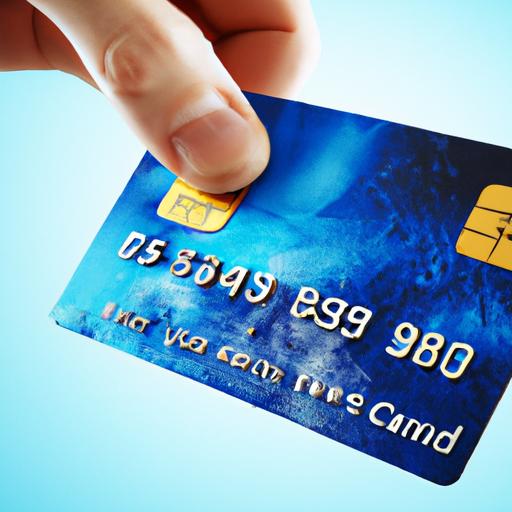
If you’ve ever wondered how that tiny piece of plastic in your wallet magically transforms into payment for your latest shopping spree, then get ready to unlock the secrets of credit card processing. It’s time to delve into the world of swipes, taps, and transactions, as we break down the basics of how it all works.
Let’s start with the protagonist of this financial tale – your trusty credit card. When you hand it over to the cashier or swipe it yourself at the counter, a series of electrifying events take place, almost like a superhero origin story.
The magic begins as the card’s magnetic strip, or the chip if you’re feeling fancy, comes into contact with the point-of-sale (POS) device. It’s here that the card’s information leaps into action, ready to prove its worth. Think of it as the secret handshake between your card and the machine.
Now, the POS device is no ordinary contraption; it’s a gateway to a world of financial possibilities. It plays matchmaker by connecting with the issuing bank, which is where your credit card account resides. The POS device relays your card’s details to the bank, ensuring it’s authorized to perform the transaction. That’s right – your card and the bank are like old friends, with a secret code to unlock all kinds of spending adventures.
The issuing bank verifies your details, ensuring your card is valid and that you haven’t exceeded your credit limit. Ah, the sweet sound of financial responsibility. Once they give their stamp of approval, it’s time for the next step in this magical dance of digits.
Enter the acquiring bank, also known as the merchant’s bank. This is the bank that holds the account for the retailer or business where you’re making your purchase. They receive the authorization from the issuing bank and, like a conductor guiding an orchestra, direct the funds towards the right places.
But hold on! There’s another pair of players in this fantastical financial game – the card networks. You might know them as Visa, Mastercard, or American Express. These networks act as the middlemen, linking the issuing bank, the acquiring bank, and the POS device in a harmonious symphony of transactions. They process the payment information, making sure everything is in order before initiating the transfer of funds.
Once everyone has done their part, it’s time for the grand finale – the settlement. At the end of each day, the acquiring bank collects all the authorized transactions and batches them together. They then send this virtual stack of transactions to the card networks, who distribute it to the issuing banks. It’s the financial equivalent of a high-five among banks, signaling the completion of the payment process.
Finally, your moment arrives. The issuing bank deducts the purchase amount from your credit card account and transfers it to the acquiring bank. And just like that, your hard-earned money is on its way to the business, who can now revel in the fruits of your spending.
Understanding credit card processing is like peeking behind the curtain of a magical show. It’s a symphony of technology, banks, and networking that seamlessly transforms your card into cash. So, next time you tap your card for that extra shot of caffeine or swipe it for that well-deserved treat, remember the incredible journey it takes to make it all happen. Now, go forth and spend with newfound appreciation for the wonders of credit card processing!

Artificial Intelligence and Machine Learning in Fraud Detection: Unmasking the Fraudsters With a Technological Twist
Picture this: a super sleuth with a digital toolkit capable of identifying fraudsters in the blink of an eye. No, it’s not Sherlock Holmes or Hercule Poirot – it’s Artificial Intelligence (AI) and Machine Learning (ML), the dynamic duo revolutionizing fraud detection in the digital age.
In an era where fraudsters are becoming ever more sophisticated, traditional fraud detection methods have fallen short. But fear not, for AI and ML have emerged as the ultimate weapon against these cunning criminals. By harnessing the power of advanced algorithms and data analytics, these technological marvels can simultaneously untangle the web of deception and protect vulnerable businesses.
AI, like your trusty sidekick, is your go-to for categorizing and analyzing huge amounts of data. Its inherent ability to quickly identify patterns and anomalies is what sets AI apart. By feeding it vast databases of transactional data, it becomes a virtual bloodhound, sniffing out any signs of fraudulent activity.
Now, let’s introduce ML, a prodigious prodigy that can predict and learn from data, much like a growing apprentice. By observing historical fraud patterns, ML algorithms can develop models that detect fraudulent behavior with incredible accuracy. It’s like having a psychic crystal ball but with algorithms instead.
But how do AI and ML join forces in the fight against fraud? Imagine them as the dynamic duo, working hand in hand to uncover the truth. AI’s ability to analyze vast amounts of data, paired with ML’s predictive capabilities, forms an invincible alliance against fraudsters. While AI pinpoints suspicious activities, ML’s models act as vigilant guards, detecting even the most subtle changes in behavior. Together, they create a bulletproof fortress that fraudsters cannot penetrate.
The advantages of AI and ML extend beyond simply nabbing the criminals; they also alleviate the burden on human fraud analysts. These tireless detectives now have more time to focus on high-risk cases, armed with the insights and alerts generated by AI and ML. This partnership not only accelerates the detection process but also enhances efficiency and reduces the chances of false positives. It’s a win-win situation for all parties involved.
As technology continues to evolve, so do fraudsters’ tactics. But AI and ML remain resilient and adaptive, constantly staying one step ahead. Their ability to learn and evolve alongside fraudsters ensures that our digital world remains a safe space for businesses and individuals alike.
However, relying solely on AI and ML might not be enough to outwit the ever-crafty fraudsters. Human intuition and expertise are still crucial puzzle pieces in the grand scheme of fraud detection. The combined forces of humans and technology create a stronger, more formidable defense line. But by embracing AI and ML, we empower ourselves with an unprecedented toolset, ready to expose the fraudsters lurking in the shadows.
In the thrilling world of fraud detection, AI and ML are the heroes we never knew we needed. With their unparalleled ability to decipher complex patterns and predict fraudulent activity, they are wiping out fraud, one algorithm at a time. So, let’s raise our digital magnifying glasses and toast to this creative alliance that safeguards the digital realm.
In the vast landscape of the digital world, where borders are blurred and distances are reduced to mere pixels, cross-border e-commerce has emerged as a powerful force. From the comfort of our living rooms, we can now explore and shop from vendors around the globe, opening up a myriad of opportunities for both buyers and sellers. However, amidst the convenience and endless options, one crucial ingredient is often missing from the recipe of this virtual bazaar: trust.
Trust, unlike quirky online purchases, cannot be shipped or downloaded. It is a delicate seed that needs to be sown and nurtured to grow. In cross-border e-commerce transactions, trust takes on an even more vital role, considering the geographical and cultural differences that can make or break a deal. But how can we cultivate trust in a world where screens mediate every interaction?
First and foremost, effective communication is the lifeblood of trust-building. In the realm of cross-border e-commerce, it is imperative to bridge the gap that separa tes buyers and sellers, be it in terms of language, customs, or even different time zones. Technology has gifted us with a plethora of tools to facilitate this connection – from instant messaging apps to video calls – so embrace them and utilize them to establish a genuine rapport.
Next, authenticity holds the key to unlocking trust’s treasure chest. In a world of counterfeit products and fabricated reviews, buyers are yearning for genuine, reliable vendors. Therefore, sellers must invest in building an authentic online presence that reflects their values, expertise, and commitment to customer satisfaction. This could be achieved through comprehensive product descriptions, showcasing customer testimonials, or even introducing the faces behind the brand. By revealing the human side of the business, sellers can instill confidence in buyers, reassuring them that they are not just another faceless entity hidden behind a screen.
Thirdly, transparency serves as a powerful catalyst in trust formation. Buyers often crave a peek behind the curtain, a glimpse into the inner workings of the transaction. Give it to them! Be transparent about the shipping and handling process, return policies, and any potential taxes or fees. In a world where hidden charges feel like a slap in the face, transparency is the antidote that can soothe the pain and foster trust.
Furthermore, mitigating risks is fundamental to building trust in cross-border e-commerce. Buyers may be hesitant to make purchases due to concerns over product quality or the security of their personal information. Proactively addressing these concerns can help sellers establish a shield of trust. Providing accurate product images and detailed specifications, ensuring secure payment gateways, and protecting customer data are all crucial aspects in ensuring a smooth and secure transaction.
Finally, the power of social proof should not be underestimated. Just as we trust the opinions and recommendations of our friends and family, online buyers seek validation from others who have treaded the path before them. Encouraging satisfied customers to leave reviews and ratings can act as a powerful testament to the quality of products and services. Additionally, showcasing partnerships with trusted organizations or certifications can provide an added layer of credibility.
Building trust in cross-border e-commerce transactions is not a walk in the park, nor is it a task that can be completed overnight. It requires dedication, authenticity, transparency, risk mitigation, and a dash of social proof. The road may be long and riddled with challenges, but by embracing these trust-building strategies, sellers can forge genuine connections with buyers, contributing to a thriving cross-border e-commerce ecosystem where trust reigns supreme.

If you’ve ever delved into the world of merchant accounts, you probably know that understanding the fees can feel like wading through a murky swamp. Well, fear not, my friend, because I am here to shed some light on this confusing realm and provide you with a comprehensive guide to understanding merchant account fees. So, grab a cup of coffee, sit back, and prepare to unravel the mystery!
Let’s start by addressing the elephant in the room – interchange fees. These elusive creatures are an important component of merchant account fees. Basically, interchange fees are the charges levied by credit card associations like Visa and Mastercard. They are set by these associations and are non-negotiable, which means you can’t escape them. But don’t worry, because understanding them will better equip you to navigate the merchant account fee maze.
Next up, we have the processing fees. These fees are what payment processors charge for their services. Think of them as the middlemen who facilitate the transaction between your customer and your bank. While processing fees vary among providers, they typically include a percentage fee, known as the discount rate, and a transaction fee. It’s essential to find a payment processor that offers competitive rates, without sacrificing quality service.
Now, hold on to your hat, because we’re about to tackle the world of additional fees. Brace yourself for monthly fees, statement fees, and chargeback fees. Monthly fees are often a fixed amount to cover maintenance costs, and statement fees are charges for providing you with monthly transaction reports. Chargeback fees, on the other hand, are fees incurred when a customer disputes a transaction, and these can be a real headache for any merchant. Understanding how to minimize chargebacks is crucial to avoid being hit with excessive fees.
Let’s not forget the infamous early termination fees. These penalties are imposed when you break your contract before the agreed-upon term. Think of it as the modern-day curse of the merchant world. Make sure to read the fine print and negotiate the terms of your contract to avoid any unnecessary expenses down the line.
Last but not least, we have the ancillary fees. These sneaky little fees often come disguised as monthly minimum fees, PCI compliance fees, and equipment fees. Monthly minimum fees are imposed when your processing fees don’t meet a certain threshold, so make sure you negotiate this to avoid unnecessary charges. PCI compliance fees cover the cost of adhering to industry security standards, and equipment fees are related to renting or buying card terminals. Keep an eye out for these hidden costs and factor them into your financial planning.
Phew! We’ve successfully traversed the bewildering landscape of merchant account fees. Armed with this new knowledge, you’ll be better equipped to decipher the cost structure and find the best merchant account solution for your business. Remember, knowledge is power, and understanding these fees will save you from getting stung. So, go forth, my friend, and conquer the merchant account fee world!

If you’re ready to take your e-commerce business beyond borders, get ready to navigate the world of cross-border payment solutions! We all know that shopping online has become a global phenomenon, but making sure your customers can easily pay for their purchases can be a bit of a headache. Thankfully, there are some amazing payment solutions out there to help you conquer the world of global e-commerce expansion.
First things first, let’s talk about the importance of cross-border payment solutions. As an e-commerce merchant, one of your main goals is to attract customers from all corners of the globe. But if you only accept payments in your local currency, you might find yourself missing out on potential buyers. Offering your customers the ability to make payments in their own currency not only improves their shopping experience but also builds trust and credibility. After all, nothing screams “We care about your business!” like giving customers the option to pay in their preferred currency.
Now that we’ve established why cross-border payment solutions are crucial, let’s dive into some of the top options available. PayPal is a household name that needs no introduction. With its global reach and easy integration, it’s a top choice for many e-commerce merchants. Customers can pay using their PayPal balance or choose from a variety of payment methods, including credit/debit cards or even local bank transfers. Plus, PayPal handles all the currency conversion for you, making it a hassle-free solution.
Another popular option is Stripe. Known for its simplicity and powerful APIs, Stripe allows merchants to accept payments in multiple currencies with ease. With a streamlined checkout process and a variety of payment methods, it’s a favorite among tech-savvy entrepreneurs. Stripe also offers customizable fraud protection, ensuring your transactions are secure and worry-free.
But what if you want to go the extra mile and offer localized payment methods? Well, that’s where Adyen comes into play. Not only does Adyen support over 250 payment methods, but it also handles complex issues like tax calculations, compliance, and recurring payments. With Adyen, you can truly tailor your payment options to each country’s preferences and regulations, giving your customers a seamless and personalized experience.
Of course, these are just a few examples of the many cross-border payment solutions available. Each option has its own unique features and benefits, so it’s important to do your research and choose the one that best suits your business needs.
As you can see, expanding your e-commerce business globally doesn’t have to be a daunting task. With the right cross-border payment solution, you can smoothly navigate the world of currencies and cater to customers around the globe. So, take the leap and watch your business soar to new heights!

Running a small business is like climbing a magical ladder with a sign that reads, “Success awaits you!” You take those tiny steps, dream big dreams, and envision a booming enterprise. But, hold on! As you strive to conquer this ladder, one wrong move can make it crumble beneath you. And no, we’re not talking about a faulty step, but the infamous Payment Card Industry (PCI) compliance.
PCI compliance is like the Big Bad Wolf standing in the way of your small business fairy tale. Now, you may be wondering, “What in the world is PCI compliance?” Well, my friend, it’s the set of standards that ensure your customers’ credit card information remains safe when they make a purchase from your business.
But worry not, for I am here to guide you through the labyrinthine forest of PCI compliance. Picture us as Hansel and Gretel, hand in hand, venturing forth to triumph over this menacing challenge.
First off, it’s crucial to comprehend the types of small business classifications regarding PCI compliance. You see, just like there are different shades of gray, small businesses can be classified into four categories: merchant level 4, merchant level 3, merchant level 2, and merchant level 1. Sounds like Hogwarts houses, right?
Merchant level 4 is the home of small businesses that handle fewer than 20,000 transactions annually. The merchant level 3 is similar, but their transaction volume lies between 20,000 and 1 million. As we ascend further, we arrive at the merchant level 2 – businesses processing 1 to 6 million transactions. And finally, the merchant level 1 is reserved for the mighty, processing over 6 million transactions annually. Can you feel the power?
After establishing your small business’s level, it’s time to put on your armor, gather your tools, and prepare for battle. The first weapon in your arsenal is to ensure that your payment systems are protected from external threats and have adequate firewalls in place. It’s like building a magnificent fortress to safeguard the kingdom from cunning invaders.
Next, small business warriors should never underestimate the power of encryption. It’s like a magical cloak that conceals your customers’ credit card information within a cocoon of algorithms and jargon. Incorporating encryption mechanisms such as secure sockets layer (SSL) certificates will keep the seas of hackers at bay.
Remember, it’s not just about building defenses; you must also monitor your fortress continuously. Regularly reviewing your security measures and implementing updates and patches is vital. It’s like reinforcing your castle gates to withstand a fearsome battering ram. Vigilance is key!
PCI compliance is not a one-time affair; it’s a lifelong journey. Warriors, brace yourselves for the next challenge – conducting regular vulnerability scans on your payment systems. It’s like scouting your kingdom’s borders for any potential chinks in your armor. These scans identify vulnerabilities that may lead to breaches, giving you a chance to fix them before the enemy strikes.
As we venture deeper into the labyrinth of PCI compliance, we stumble upon the importance of access control measures. Limiting employee access to cardholder data is like guarding the sacred secrets of your kingdom. Not everyone can be trusted with such crucial information. But fear not, for implementing strong passwords, two-factor authentication, and access control policies will keep your treasures hidden from prying eyes.
Lastly, dear small business warriors, we must discuss the need for comprehensive security policies and employee education. It’s like writing the laws of your kingdom, instructing everyone on how to protect the realm. Educating your employees about the dangers of phishing emails, social engineering tactics, and the importance of data security will make them the guardians of your castle.
So, my fellow small business adventurers, remember that achieving PCI compliance is like embarking on an epic quest. But fear not, for armed with knowledge and determination, you shall emerge victorious. Take these steps, conquer the Big Bad Wolf, and transform your small business fairy tale into a legendary saga of success!