
Interchange Fees Explained: What Every Business Owner Should Know
Hey there, fellow business owners! Today, we’re diving into the mysterious world of interchange fees. You’ve probably heard the term tossed around in conversations about credit card processing, but do you really understand what they are and how they impact your bottom line? Strap in, because we’re about to break it down for you in plain, simple terms. So grab your favorite beverage, get comfy, and let’s unravel the mystery of interchange fees together!
Understand What Interchange Fees Are
Interchange fees are charges that are paid between banks for the acceptance of card-based transactions. These fees typically range from 1-3% of the transaction amount and are split between the card-issuing bank and the acquiring bank. Understanding how interchange fees work is crucial for business owners, as they can significantly impact your bottom line.
When setting up payment processing for your business, it’s important to consider the interchange fees associated with different types of transactions. Factors such as the type of card used, the method of payment, and the industry your business operates in can all affect the interchange fees you are charged. By being aware of these fees and working with a payment processor that offers transparent pricing, you can ensure that you are not overpaying for card transactions.
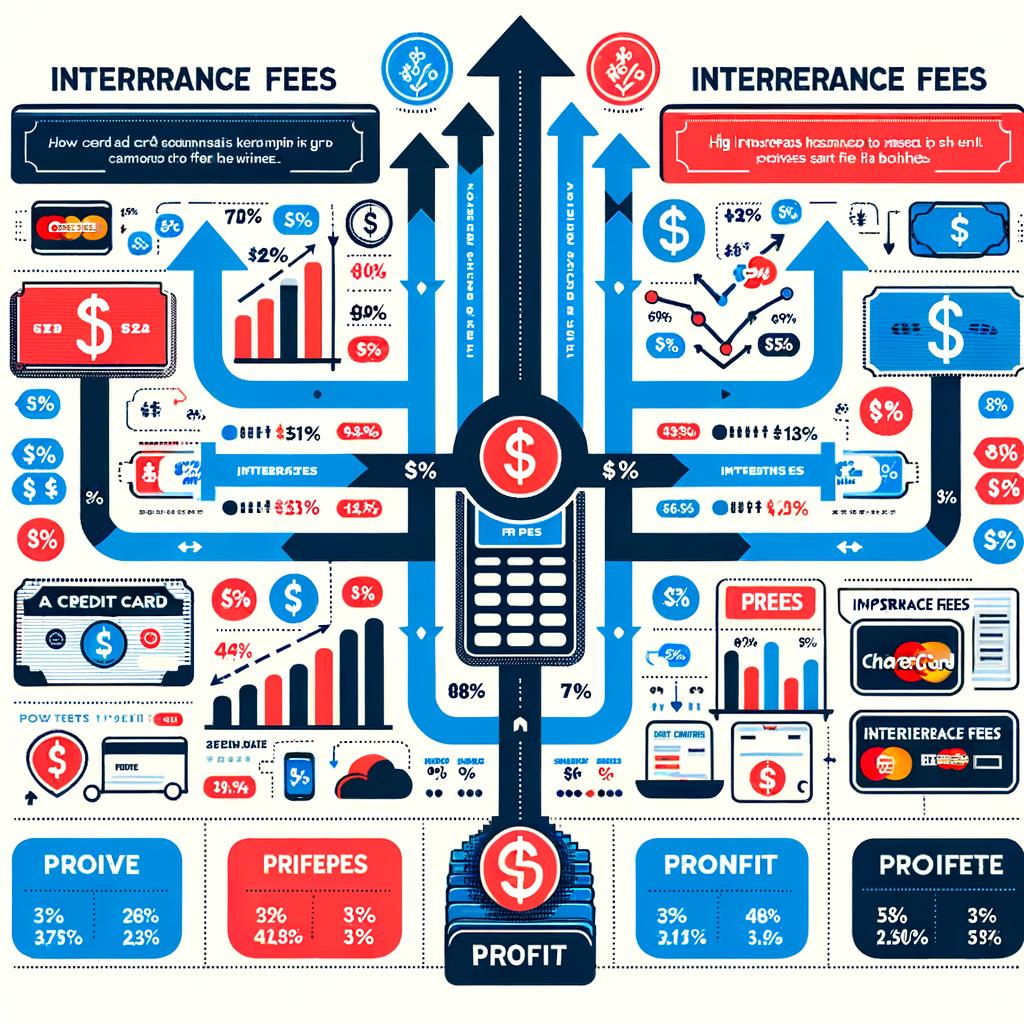
How Interchange Fees Impact Your Business
Interchange fees can have a significant impact on your business’s bottom line. These fees are charges that businesses pay to banks and credit card companies for processing credit and debit card transactions. While these fees may seem small, they can add up quickly and cut into your profits. Understanding how interchange fees work and how they affect your business is crucial for managing your finances effectively.
One way to mitigate the impact of interchange fees on your business is to negotiate with your payment processor for lower rates. You can also consider offering cash discounts to customers to encourage cash transactions and reduce the number of credit card payments. Another option is to implement a surcharge for credit card transactions to offset the cost of interchange fees. By being proactive and exploring various strategies, you can minimize the impact of interchange fees on your business and improve your overall financial health.
| Tip 1 | Negotiate lower interchange fees with your payment processor. |
|---|---|
| Tip 2 | Offer cash discounts to encourage cash transactions. |
| Tip 3 | Implement a surcharge for credit card payments to offset fees. |
Strategies to Mitigate Interchange Fees
One effective strategy to mitigate interchange fees is to negotiate with payment processors for lower rates based on your business’s transaction volume. By leveraging your bargaining power, you may be able to secure discounted fees that can help reduce the overall cost of accepting credit card payments. Additionally, implementing technologies such as point-of-sale systems that support various payment methods, including contactless payments and mobile wallets, can help diversify your payment options and potentially reduce interchange fees associated with certain transactions.
Another way to mitigate interchange fees is to encourage customers to use debit cards or other lower-cost payment methods whenever possible. By prominently displaying signage or offering incentives for customers to choose these payment options, you can steer transactions towards those with lower interchange fees. Additionally, regularly reviewing your merchant statements to identify any discrepancies or potential errors can help ensure that you are not overpaying for interchange fees. By staying proactive and informed about interchange fees, you can take steps to minimize their impact on your business’s bottom line.

Negotiating Better Rates with Payment Processors
Understanding interchange fees is crucial for any business owner looking to negotiate better rates with payment processors. These fees are set by card networks like Visa and Mastercard and are the backbone of credit card processing costs. By knowing how interchange fees work, you can have more leverage when discussing rates with your payment processor.
<p>One way to negotiate better rates is to highlight your business's strengths and unique selling points. Payment processors are more likely to offer lower rates to businesses with a strong track record, high sales volume, and low chargeback rates. **Here are some tips to help you negotiate better rates**:</p>

<ul>
    <li>Provide detailed sales data to showcase your business's success.</li>
    <li>Ask about volume discounts or special rates for specific card types.</li>
    <li>Consider switching to a flat-rate pricing model for simplicity and potential savings.</li>
</ul>
Wrapping Up
And there you have it, folks! The ins and outs of interchange fees laid out for all you savvy business owners. Remember, knowledge is power, and understanding how these fees work can help you make better decisions for your business. So go forth, armed with this newfound knowledge, and conquer the world of payments like the boss you are. Stay sharp, stay informed, and keep rocking that business game! Until next time, happy swiping!
